Mastering Neapolitan Pizza: Secrets to Perfecting the Classic
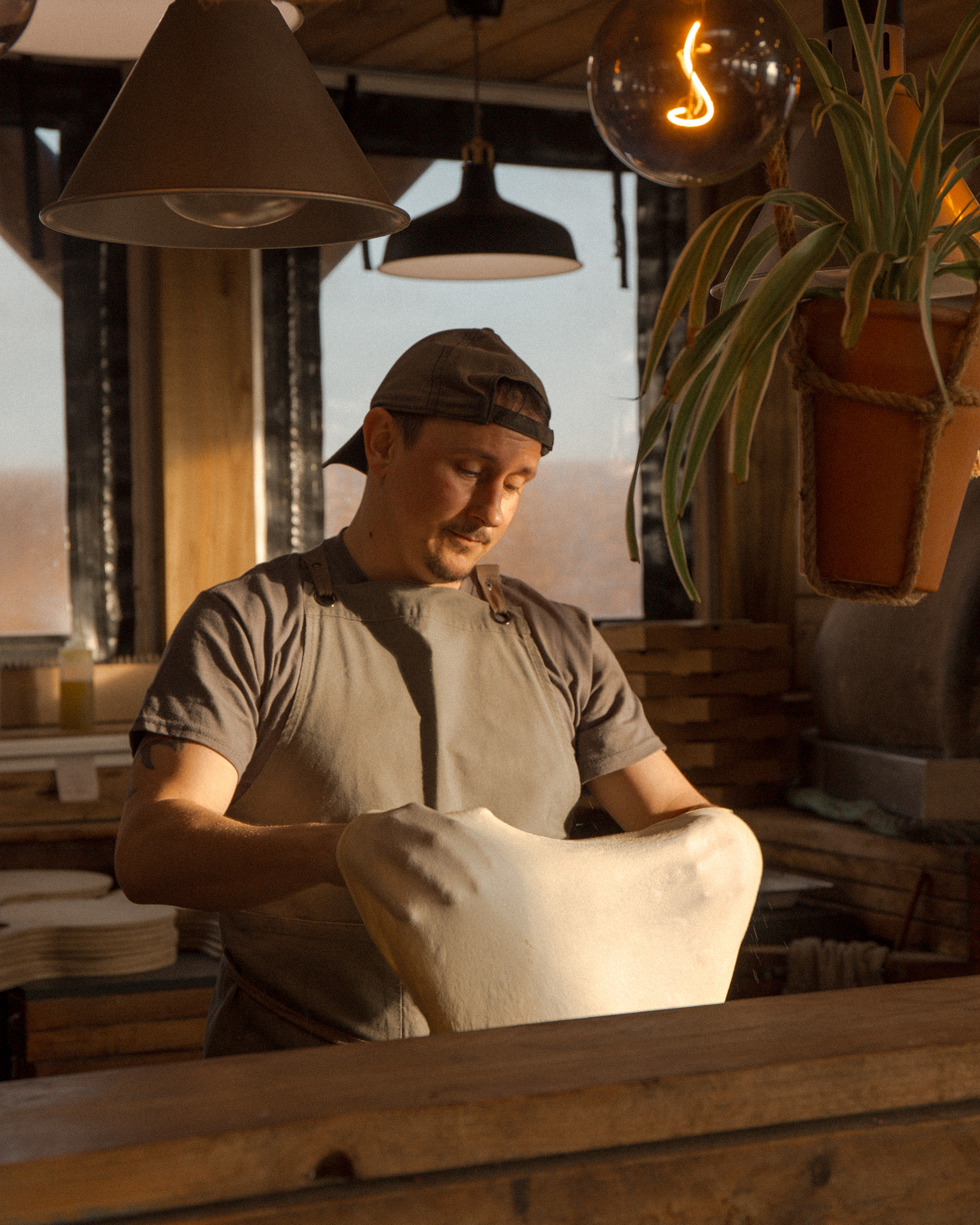
Few foods have captured the hearts, and stomachs, of the world quite like Neapolitan pizza. Born on the sun-drenched streets of Naples, this deceptively simple dish has transcended its humble origins to become one of the most celebrated culinary traditions on the planet.
But what separates a truly authentic Neapolitan pizza from everything else?
The answer lies in centuries of history, a handful of carefully chosen ingredients and techniques passed down through generations of dedicated pizzaiolos.
Whether you're a seasoned home cook or simply a pizza lover curious about what goes into the perfect slice, this guide will take you through everything you need to know — from the origins of the Margherita to the secrets of the perfect dough, sauce and bake.

The History of Neapolitan Pizza
The neapolitan pizza originated in Naples, Italy some time around the 18th century and was made for the working class population who needed something quick, affordable and satisfying to tend to their hunger between the long working days.
Naples’ street vendors sold flatbreads topped with simple ingredients: tomatoes, cheese, olive oil and garlic - precursors to the modern day pizza. Over the years, this humble food evolved to become a core part of Italian cuisine and symbolises the simplicity of it.
The most famous example, The Margherita, evolved in the 19th century, when Queen Margherita of Savoy visited Naples. The story goes that she got tired of French cuisine and requested something more local. So, Pizzaiolo Raffaele Esposito prepared a pizza with tomatoes, mozzarella and basil, representing the colours of the Italian flag. He named his creation the Pizza Margherita in her honour, solidifying the Neapolitan pizza’s place in the annals of culinary history. The Margherita is still one of the most beloved varieties of Neapolitan pizza.
In recognition of its significance, the Associazione Verace Pizza Napoletana (AVPN) was established in 1984 to protect and promote the traditional methods of making Neapolitan pizza. The organisation ensures authenticity and quality of Neapolitan pizza are preserved, adhering to strict guidelines for ingredients, preparation and cooking methods. The AVPN's efforts culminated in UNESCO granting the art of Neapolitan pizza making Intangible Cultural Heritage status in 2017, a testament to its legacy and importance.

What Are The Essential Ingredients for Authentic Neapolitan Pizza?
The foundation of Neapolitan pizza is the dough, made from type 00 flour which is known for its fine grind and low gluten content. It ensures a soft, elastic dough that can be easily stretched and shaped.
Fresh yeast, water and salt are essential, basic components to the light, fluffy Neapolitan pizza base.
For the tomato base, San Marzano tomatoes are the gold standard. They’re grown in the rich volcanic soil near Mount Vesuvius and are prized for their sweet, slightly acidic flavour and low moisture content. It’s important to use whole, peeled San Marzano tomatoes, crushing them gently to retain their natural texture and flavour which allows their natural sweetness to come through.

For a true Neapolitan style pizza, only Fior Di Latte mozzarella or fresh mozzarella Di Bufala will do. The former is made from cow’s milk and offers a more delicate taste while the latter boasts a creamy, slightly tangy flavour. In our pizzeria at the Watch House, we use Fior Di Latte mozzarella which provides the desired texture but mild enough to allow the other pizza toppings to take centre stage.
Both varieties melt beautifully, creating the perfect balance between creaminess and stretched.
The Importance of Dough in Neapolitan Pizza
The dough is the heart and soul of Neapolitan pizza, and mastering its preparation is crucial to achieving the perfect crust. The key to a successful dough lies in the fermentation process, which requires patience and precision. After mixing the flour, water, yeast and salt, the dough must be left to rise slowly, allowing the yeast to work its magic. This slow fermentation process, typically lasting 8-24 hours, develops the dough's flavour and texture, resulting in a light, airy crust with a slight chew.


Temperature and humidity play significant roles in the dough's fermentation. Ideally, the dough should be kept in a cool, consistent environment to ensure even rising. During the warmer months, it may be necessary to adjust the fermentation time or use less yeast to prevent overproofing. In colder conditions, a longer fermentation period or slightly more yeast may be required.
Once the dough has risen, it must be divided into individual portions and shaped into balls. Pay attention, this step determines the final texture and structure of the crust. The dough balls should be left to rest for an additional period, allowing the gluten to relax and the dough to become more pliable. When ready to bake, the dough should be gently stretched by hand, avoiding the use of a rolling pin, which can compress the air bubbles and result in a dense crust. Instead, use your fingertips to press and stretch the dough, creating a thin center with a slightly thicker edge, known as the cornicione.
The Art of Neapolitan Pizza Sauce
Unlike other pizza styles that may cook the sauce before applying it to the dough, Neapolitan pizza sauce is typically raw, allowing the natural flavors of the tomatoes to shine. To create an authentic sauce, start with high-quality San Marzano tomatoes, which should be crushed by hand or gently pulsed in a food processor. This method preserves the tomatoes' inherent texture and flavour, resulting in a sauce that is both fresh and vibrant.
A pinch of sea salt, a few torn basil leaves and a drizzle of extra virgin olive oil are all that is needed to enhance the tomatoes' natural sweetness. Some purists may also add a clove of minced garlic or a sprinkle of oregano, but the key is to avoid overpowering the tomatoes with too many additions so that the toppings are central.
When applying the sauce to the dough, less is more. A thin, even layer is all that is needed to provide a burst of flavour without overwhelming the crust. Using the back of a spoon, spread the sauce in a circular motion, leaving a small border around the edge to create the perfect cornicione. By taking care to use just the right amount of sauce, you can achieve the ideal balance of flavours.

Choosing the Right Cheese for Neapolitan Pizza
Traditional Neapolitan pizza calls for either mozzarella Di Bufala, made from the milk of water buffaloes, or Fior Di Latte made from cow's milk. Both types of mozzarella offer distinct characteristics that contribute to the overall experience of the pizza.
Mozzarella Di Bufala is known for its creamy texture and slightly tangy flavour, which pairs well with the sweetness of the tomatoes. It has a higher moisture content than Fior Di Latte, resulting in a luscious, gooey melt that creates a luxurious mouthfeel. However, its high moisture content can also make the pizza soggy if not used correctly. To avoid this, it's essential to drain the mozzarella thoroughly and even pat it dry with a paper towel before topping the pizza.
Fior Di Latte, on the other hand, offers a more delicate and milky flavour with a slightly firmer texture. This cheese melts beautifully, creating a stretchy, stringy quality that is synonymous with Neapolitan pizza. When using Fior Di Latte, it's important to slice it thinly or tear it into small pieces to ensure even melting. Both types of mozzarella should be added to the pizza just before baking, allowing them to meld with the sauce and dough during the short, intense cooking process.

Techniques for Perfectly Baking Neapolitan Pizza
Achieving the perfect bake for a Neapolitan pizza requires attention to detail and an understanding of the unique characteristics of this style. One of the most critical aspects is the temperature of the oven. Neapolitan pizza is traditionally cooked in a wood-fired oven that reaches temperatures of 430-480°C (800-900°F). This intense heat cooks the pizza in a matter of 60-90 seconds, resulting in a crispy, blistered crust with a soft, airy interior.
For home cooks without access to a wood-fired oven, there are still ways to approximate these conditions. A pizza stone or steel, preheated in the oven at the highest possible temperature (usually around 260-290°C or 500-550°F), can help mimic the effects of a wood-fired oven. Placing the stone or steel on the top rack of the oven and using the broiler can also create the intense top heat needed to achieve the characteristic leopard spotting on the crust.

Another key factor in achieving the perfect bake is the placement of the pizza in the oven. Using a pizza peel, carefully slide the pizza onto the preheated stone or steel, ensuring it is centered for even cooking. It's important to work quickly to prevent the dough from sticking to the peel or losing its shape. During the baking process, keep a close eye on the pizza, rotating it if necessary to ensure even browning. The result should be a beautifully blistered crust with a perfect balance of chewiness and crispiness, topped with bubbling cheese and vibrant sauce.
Common Mistakes to Avoid When Making Neapolitan Pizza
Even the most experienced pizzaiolos can make mistakes when crafting Neapolitan pizza, but being aware of common pitfalls can help you avoid them and achieve perfection.
One of the most frequent errors is using too much yeast in the dough. While it may seem like more yeast will result in a better rise, it can actually lead to an overly dense and tough crust. The key is to use just the right amount of yeast and allow for a slow, controlled fermentation process that develops the dough's flavour and texture.
Another common mistake is overloading the pizza with toppings. Neapolitan pizza is known for its simplicity, and using too many ingredients can weigh down the dough and prevent it from cooking evenly. Stick to a few high-quality toppings and remember that less is more. This approach allows each ingredient to shine and ensures a balanced and harmonious pizza.
Finally, many home cooks struggle with achieving the right oven temperature. As mentioned earlier, Neapolitan pizza requires an extremely hot oven to achieve the characteristic crust and quick bake time. Preheating your oven with a pizza stone or steel and using the broiler can help replicate the high heat of a wood-fired oven.
Additionally, be sure to monitor the pizza closely during baking to prevent burning and ensure even cooking. By avoiding these common mistakes, you can elevate your pizza-making skills and create a truly authentic Neapolitan pizza.
Pairing Neapolitan Pizza with the Perfect Wine
Pairing wine with Neapolitan pizza can elevate the dining experience, enhancing the flavours of both the pizza and the wine. When choosing a wine, it's important to consider the simplicity and freshness of the ingredients. A light, acidic wine can complement the tangy tomatoes and creamy mozzarella, while a more robust wine can balance the earthiness of the crust and the richness of any additional toppings.
For a classic Pizza Margherita, a crisp, dry white wine such as a Vermentino or Falanghina is an excellent choice. These wines offer bright acidity and subtle floral notes that enhance the fresh flavours of the tomatoes and basil. Alternatively, a light red wine like a Chianti or Barbera can provide a pleasant contrast to the creaminess of the mozzarella, with their fruity and slightly tannic profiles.
If you're enjoying a more robust Neapolitan pizza with additional toppings like prosciutto or mushrooms, a medium-bodied red wine such as a Montepulciano d'Abruzzo or a Nero d'Avola can be a great match. These wines offer enough structure and complexity to stand up to the bolder flavours, while still maintaining a balance that complements the pizza.
Ultimately, the key to a successful pairing is to choose a wine that enhances the overall experience, allowing the flavours of the pizza and the wine to harmonize.
Conclusion
Mastering the art of crafting a perfect Neapolitan pizza, like many things in the culinary world, takes perseverance and dedication. By reading this post, you’re one step further to mastering that craft. By now, I hope you have learned some interesting insight into the history of the Neapolitan pizza and the importance of the ingredients and cooking methods.
Exceptional, Neapolitan style pizza is one of our core offerings here at the Watch House restaurant and pizzeria and we’re proud to use authentic ingredients paired with local touches where possible, to offer our guests something that they dream of long after they’ve visited us.
If you happen to find yourself in our corner of the world in West Bay, Dorset, come and taste the flavours from our very own Neapolitan style pizzas! Find and book a table online or view our menu.